

Pippa White
For millennia plants, especially herbs, roots and fungi have been used for medicinal purposes. Only since the 19th century have they been corralled by big business and rounded up for profit for the few at the cost of the health of the many.
Even worse, there is an active discouragement, even active suppression of the use of natural substances to treat illness and promote health. Witness the Vaccination Drive all over the world forcing out both choice and natural treatments, and earlier proven drugs such as Ivermectin and Hydroxychloroquine, which share long track records in medical care.
More to the point the pharmaceuticals spend millions on tracking down valuable and rare plants in the Amazon and other indigenous areas, and mining them for their active ingredients, ignoring the pretty basic fact that nature might just have it right in being synergistic, not reductive.
Putting that aside, I am resolving this year to concentrate even more on planting herbs with medicinal uses as well as aesthetically pleasing looks and smells. Whilst I do not plan to produce my own essential oils or flower essences, it is relatively easy to boost the nutritional quality and flavour of our food with extra herbs, and indeed to dry them for the winter months.
The following are natural cures I have used before many times, and I suspect this subject will run over into a number of different posts as the qualities and powers of each plant are so varied and their history and botany so fascinating.
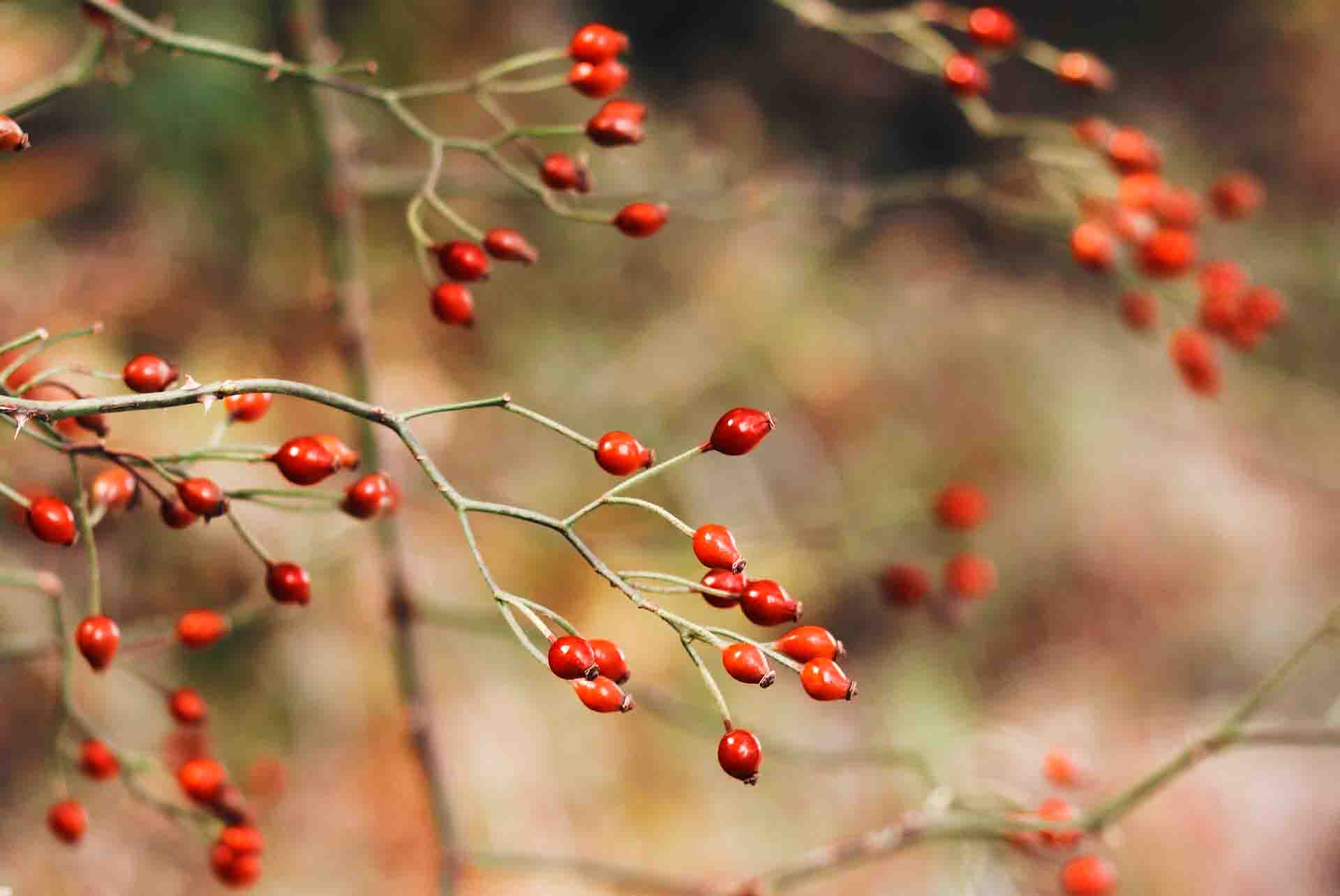
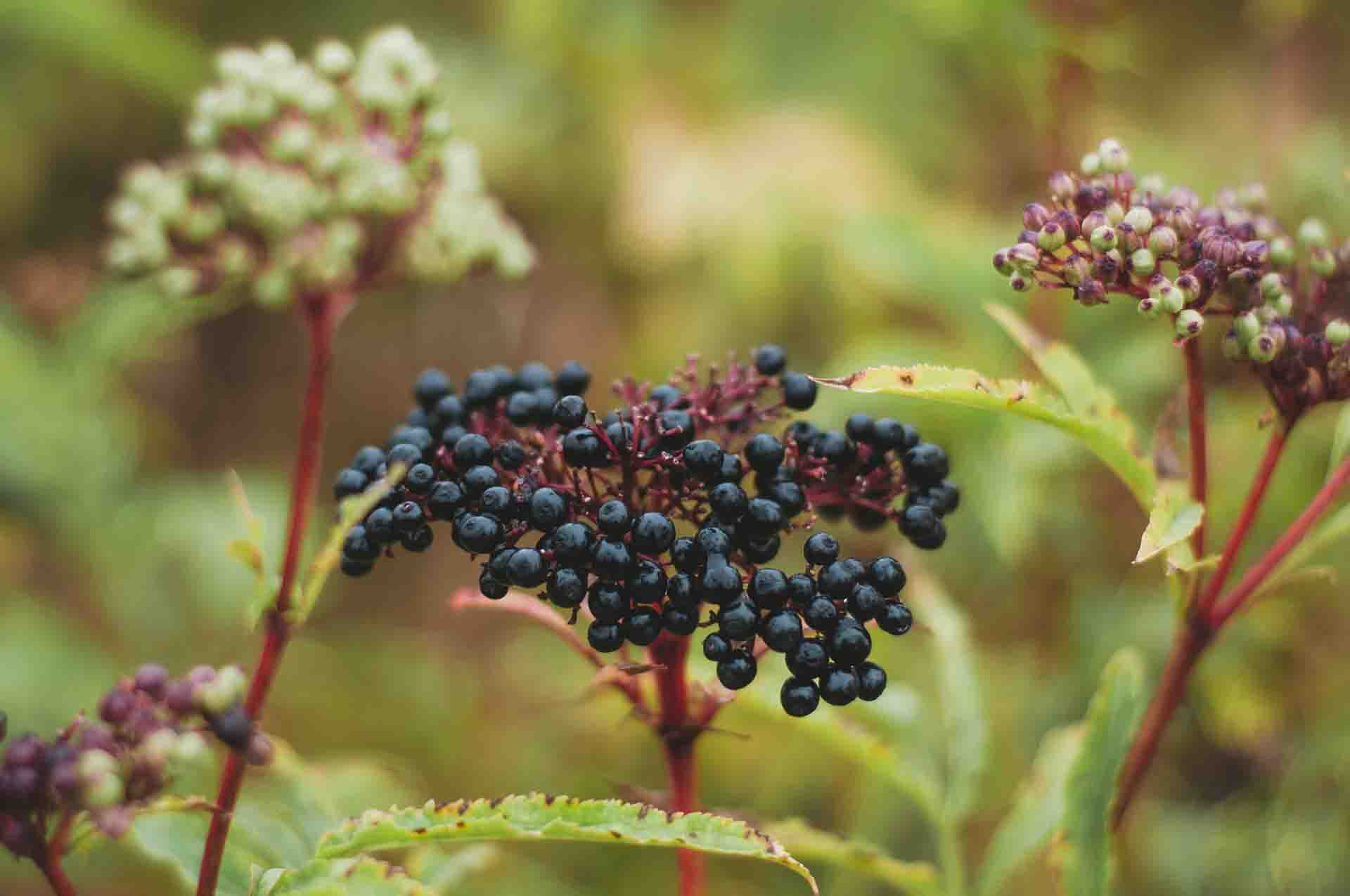
I shall start with my two favourites to make syrup to store for when the cold or flu strikes in the colder months: Black Elderberry and Rosehips.
Be The First
Join us to receive the latest news about our new rural writings & books
We will only ever send you messages in line with our Privacy Policy.
All content on this page is the copyright of Pippa White (unless otherwise stated) with all rights reserved worldwide. No portion of this content may not be used, under any circumstances, without written permission to use it from Pippa.