

admin
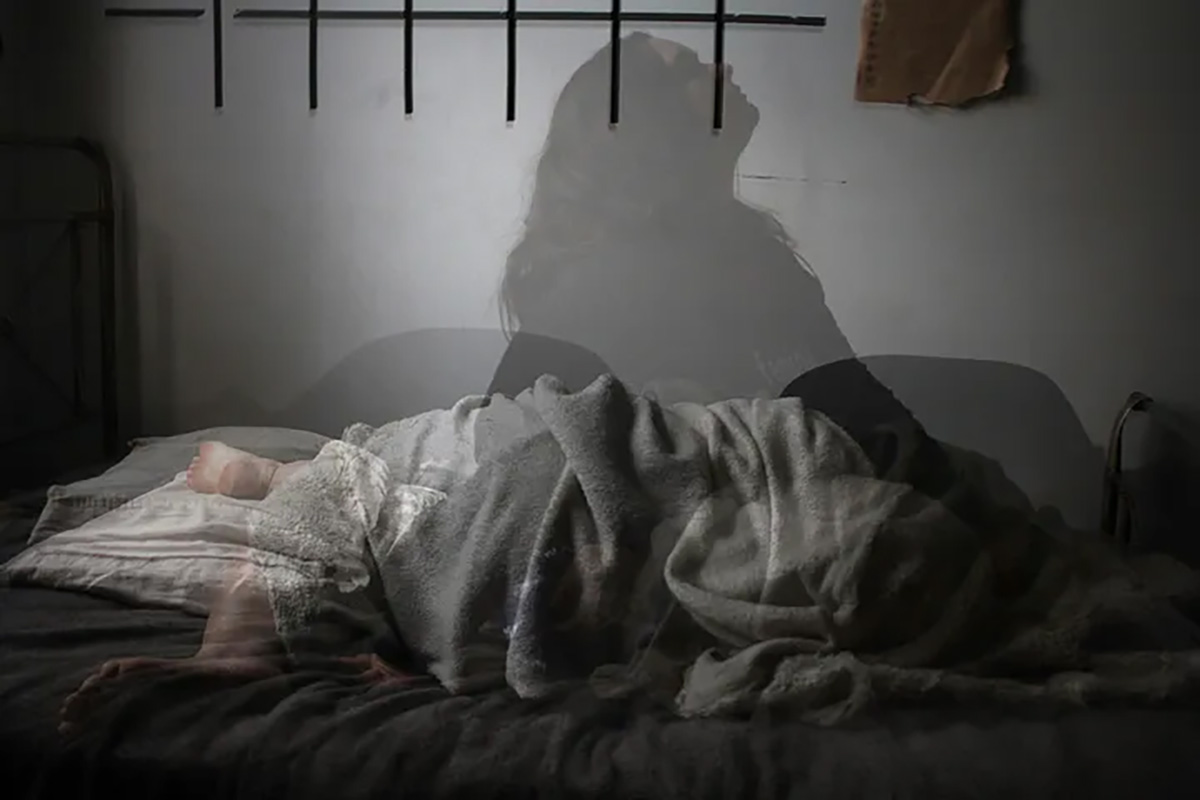
In the still time between the sheets and the insomniac nights…
“Yet it is in our idleness, in our dreams, that the submerged truth sometimes emerges.” Virginia Woolf
Five years. That’s how long I’ve been dancing with Long Covid, learning its unpredictable rhythms of crashing fatigue and flickering hope. While I wouldn’t wish this journey on anyone, it has taught me something profound about the preciousness of ordinary moments — lessons that healthy days once couldn’t teach.
Virginia Woolf, battled chronic illness throughout her life and from her frequent confinements, she developed an acute sensitivity to the subtle textures of existence that healthy people often miss. I developed an uncanny attachment to the birds that lived outside my window. (Unless it was a day I could not bear noise.)
When you’ve spent months measuring life and energy in “teaspoons” rather than buckets, a morning when you can make breakfast without resting becomes a small miracle. The contrast between bedbound days and moments of relative wellness creates a stark backdrop against which gratitude blazes brighter than it ever did in my pre-illness life.
Robert Louis Stevenson understood this paradox intimately. Confined to bed for much of his adult life with tuberculosis, he wrote some of literature’s most adventurous tales from his sickroom. Treasure Island, with its swashbuckling pirates and buried gold, emerged from a man who could barely leave his house. “I travel not to go anywhere, but to go,” he wrote, finding freedom in his imagination when his body failed him.
Archaeological appreciation and intellectual liberation
Long Covid has made me an archaeologist of my own life, excavating joy from the smallest fragments. A twenty-minute walk becomes an expedition. The ability to read for an hour without brain fog feels like intellectual liberation. In the first few months, I became intimate with the swirls of the revolting ceiling, and the hives kept coming, excruciating itching for eight months.
Even the simple act of bathing transforms from a mundane routine to a luxurious ritual. I was terrified of falling in the bathroom and used to cry outside it, flummoxed by fear.
This isn’t toxic positivity — those crushing days when breathing feels like work and thought moves like molasses through my skull are genuinely difficult. But it’s precisely because I know how quickly wellness can vanish that I’ve learned to honour it when it appears.
The Wisdom of Limitation
Milton Erickson, the legendary hypnotherapist, offers perhaps the most striking example of brilliance born from bed rest. Paralysed by polio at seventeen, he spent months immobilised, developing extraordinary powers of observation. Unable to move, he watched — truly watched — how people communicated through micro-expressions, posture, and breath. This forced stillness taught him to read the subtle language of the unconscious mind, skills that would later revolutionise therapy and make him one of the most influential psychologists of the twentieth century.
Long Covid has forced me into a similar contemplative state. Unable to rush through life at my former pace, I’ve discovered the richness hidden in stillness. The way afternoon light changes across the wall. The particular satisfaction of completing one small task well. The profound comfort of a friend’s text message on a difficult day.
Redefining Productivity
Before illness, I measured worth through achievement and constant motion. Now, I celebrate different victories: staying upright for a family dinner, managing a phone call without exhaustion, or simply maintaining hope through another setback. This recalibration hasn’t diminished my ambitions — it’s clarified them.
Like Stevenson writing Treasure Island from his sickbed, I’ve learned that physical limitation doesn’t have to mean creative or spiritual impoverishment. Sometimes constraint forces us to dig deeper, to find the gold that was always there but hidden beneath layers of busy-ness and assumption.
The Gratitude That Survives
This isn’t about being grateful for illness itself — that would be absurd. Rather, it’s about recognising how adversity can polish perception until ordinary moments gleam with extraordinary significance. The gratitude I feel on good days now has weight and substance that my previous, casual thankfulness lacked.
Five years in, I’ve learned that resilience isn’t about bouncing back — it’s about bouncing forward, carrying hard-won wisdom into each new day. And on the days when I can write, walk, or sit upright without struggle, that gratitude burns steady and bright, a treasure more valuable than any buried gold.
I have recently completed the first draft of my new book: “The Twelve Week Miracle — A Journey to Healing and Inner Peace”. This is a working title; the book will be on Amazon in September this year.
In the geography of illness, gratitude becomes both compass and destination — guiding us through the difficult terrain while revealing hidden riches along the way.
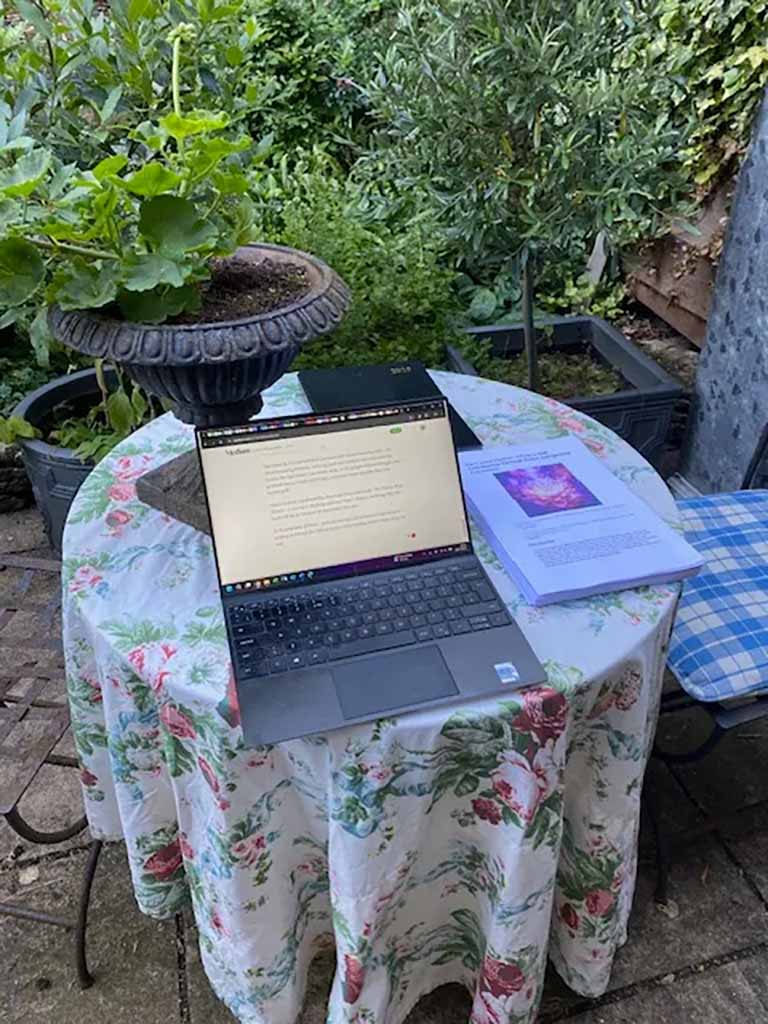
Thank you for reading. I would love to hear your comments. Have any of you experienced long viral illness especially Long Covid?
Be The First
Join us to receive the latest news about our new rural writings & books
We will only ever send you messages in line with our Privacy Policy.
All content on this page is the copyright of Pippa White (unless otherwise stated) with all rights reserved worldwide. No portion of this content may not be used, under any circumstances, without written permission to use it from Pippa.